
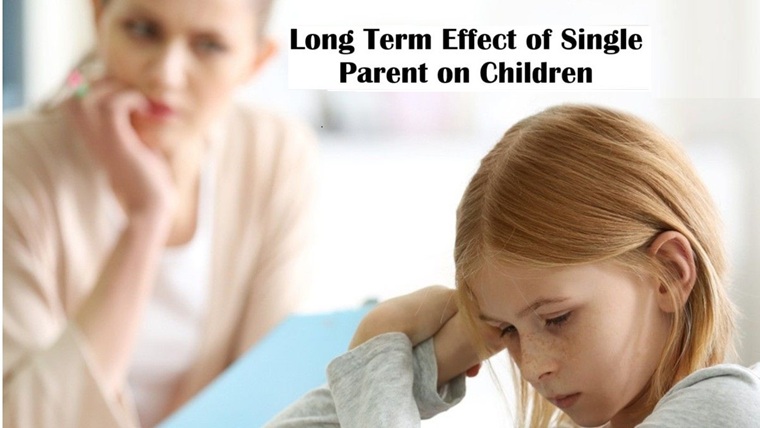
Chapter 1: Impact of Divorce on Children
1.0: Introduction
1.1 Research Background
One of the most important issues in the global social and development context is divorce. When a couple splits up for different reasons, their kids end up suffering long-term consequences. Global study indicates that children who experience parental divorce may have long-term detrimental effects (Garriga and Pennoni, 2022).How parents handle their children in the event of a divorce may depend on how long the “divorce penalty” is perceived by the kids. The purpose of this study is also to ascertain whether and how much divorce has long-term impacts on children. This is intense issue to know how long the “divorce Penalty” lasts and how it affects different indices in order to better understand how divorce impacts children.

Hire Professional Dissertation Introduction Writers
 Crafts Background Professionally
Develops Appropriate Research Questions
Helps with Research Justification
These results suggest that divorce may negatively impact children’s lives for a long time, affecting their chances of success in the classroom, the economy, and romantic relationships. In order to help couples create enduring relationships, there needs to be upstream interventions and downstream treatments to help kids deal with life following divorce. The viewpoint of teenagers on divorce, which will also be emphasized. As children grow older and encounter new challenges as a result of their parent’s divorce, their opinions on divorce will probably continue to differ from their parents’.
Asia is distinguished by a great variety of patterns in the establishment and dissolution of marriages. Marital breakup in the Asian setting has not gotten much critical attention, despite some studies on recent shifts in marriage patterns. Divorce rates have been related to shifts in ideation, rising levels of education and shifting female labour force participation, shifting characteristics of spouse selection, shifting marriage ages, shifting levels of social support for separated women, shifting religious and civil divorce laws, and shifting life expectancies (Dommaraju and Jones, 2011).
The results of this study will help us determine whether divorced teenagers experience mental and/or physical impairment. The results of the study on divorced teenagers’ relationships with their parents after the divorce indicate whether or not poor social skills will result in them becoming antisocial and rejected by others. Academic success and later stages of life may influence their conduct. School absences are an important topic of study because previous research indicates that more than 60% of children from divorced homes skip school and different class hours more frequently than their counterparts from intact households (Marripedia, 2024).
1.2 Aim and Objectives
Aim
The aim of this research is to examine the long-term effects of teenagers between 13 to 17 years having single parents through divorce in South East Asia. In the light of this aim, the research is focused to examine the different kinds of effects that are faced by the teenagers in the long-term specifically who are living with divorced parents. The objectives of this research study are also developed in the same alignment of this research aim and these are listed below under specific heading.
Objectives
- To examine the key personal issues that are faced by the teenagers of 13 to 17 years who are living with single parents through divorce in South East Asia
- To examine the core long-term effects that are faced by teenagers with 13 to 17 years whose parents are divorced in South East Asia
- To find out the key measures that can be suggested as recommendations for parents, counsellors and psychologists to overcome the negative effect on teenagers living with single divorced parents.
1.3 Research Question
The key research question developed for this research study, “What are the long-term effects of living with single divorced parents on the teenagers between the age of 13 years to 17 years in South East Asia?”
1.4 Research Rationale
In relation to the social issue of divorce and the problems and challenges that are faced by women who are divorces and living with children, some particular research studies are conducted in the past (Parker et al., 2022; Thadathil and Sriram, 2020). Some studies were even also conducted in relation to the impact of living with single divorced parents on the children and adolescents, however, in the particular context of South East Asian community, there is no particular research study conducted in the past. This was identified as a clear gap in the past research studies. The identification of this gab grabbed my interest and attention to select this research topic for the investigation purpose in this research. I also have a keen interest in exploration social issues and the issue of adolescents living with single parents seem very sensitive to me and hence I undertook this issue for having its in-depth knowledge. This research will have greater significance in multiple contexts, such as it will firstly increase social awareness in the South East Asian community about the issue of divorce and its consequences and impact on the overall development of adolescents. The research will also prove beneficial in the academic field where it will direct the future researchers to gain new ideas for conducting further research on this topic and will add the new knowledge in the existing stock of knowledge of the researchers and students.
1.5 Organisation of Research
This research is organised comprising five sequential chapters that are listed below:
Chapter 1 Introduction
Chapter 2 Literature Review
Chapter 3 Methodology
Chapter 4 Findings
Chapter 5 Discussion
Chapter 6 Conclusions and Recommendations
Chapter 2 Literature Review
2.1 Introduction
A literature review is an overview of a field of study that improves the formulation of particular research questions (Paul and Criado, 2020). In other words, a literature study requires you to use and assess a wide variety of sources, such as books, web-based resources, and articles from scholarly and professional journals (Mishra, Sahoo, and Pandey, 2021). a literature review is an in-depth, critical analysis of academic publications and prior research relevant to a particular topic or research question. Literature review offers a foundation for understanding the current state of knowledge, identifying gaps, and directing the direction of upcoming studies (Paul, and Criado, 2020). literature review involves a rigorous examination, evaluation, and synthesis of published research, books, and other relevant materials related to the topic of interest. According to Chai et al. (2021), researchers start by outlining their goals or research topic, which directs the review’s focus and breadth on the topic.
How Literature Review is Helpful?
Allows for in-depth analysis of topic
Helps in identifying gaps in literature
Justifies research questions
One of the main objectives of a literature review is to set the research in context by describing and combining previous findings, theories, and methodology that are related to the subject (Booth et al., 2021). This entails evaluating the advantages and disadvantages critically. (Longenecker Marrone and Singh (2020), literature is essential to academic research that extensively analyses previous scholarly works related to a specific topic or research issue. To support their investigation, it serves as a guiding role, directing researchers across the good view of previous research, theories, and methods (Paul and Barari, 2022).
This literature review is focused on examining the impact of divorce on the life of
teenagers in their adolescence who are living with single parents after divorce. The literature review has first explored the concept of divorce, single parents, and adolescents. Furthermore, a literature review has also examined the long-term effect of parental separation or divorce on adolescents. Furthermore, the literature review provided recommendations to single parents, social workers, psychologists, and counselors. In the end, the literature review has summarized all the key findings of the literature explored below.
2.2 Concept of Divorce and Single Parents and Adolescents
According to Walker et al. (2020), divorce occurs when a married couple decides to split up, their legal duties and rights change or end. This means they’re not married anymore in the eyes of the law. This process is called divorce. It’s when a court or someone in charge officially ends a marriage under the laws of the place where they live. According to John and Shimfe (2020), a person raising a kid or children on their alone, without the assistance of a spouse or live-in partner, is known as a single parent. Parents who are single may be widowed, divorced, single by choice, or unmarried. A mother, father, grandparent, uncle, or aunt might be the only parent in the home.
In view of Norris et al. (2022), adolescence is the stage of life that is between childhood and adulthood in terms of growth and development. Anybody between the ages of 10 and 19 is considered an adolescent according to the World Health Organization (WHO). The WHO defines young people as those who are between the ages of 10 and 24. This age range is included in this definition. Teenagers have raised concerns about the effects of parental divorce and separation on their adolescents who are raised in different homes. According to Miller (2022), divorce has become a major social issue, attracting the interest of developmental and clinical psychologists as well as family sociologists who are interested in learning more about the effect of divorce on children. There are several factors, such as emotional and mental health, that have been examined in studies on the well-being of kids and teens from divorced or separated homes. This literature review aims to focus on the no. of difficulties and experiences that young people are experiencing of family breakups.
According to Bau and Fernández. (2023), studying the variety of cultural, social, and financial factors that impact family structures and relationships is vital when discussing the concepts of divorce and single parenthood in the region. Women are gaining more independence and agency in making decisions, such as whether to break up a marriage, as more of them join the workforce and complete higher education. In addition, the economic chances in big cities frequently offer alternate income pathways for unmarried moms, decreasing the societal shame related to divorce and single parenthood.
In view of Parker and Rubin (2023) the region’s high rate of single motherhood is a result of changing housing conditions and patterns of family life. Families have been split away via migration, locally as well as globally, with one parent frequently employed outside to support the family at home. According to Wagner. (2020) In some situations, divorce may not necessarily lead to single parenthood; rather, it may result from one parent’s absence because of employment requirements. Furthermore, the number of extramarital affairs and non-marital cohabitation is rising, which is contributing to the rise in households with one parent.
cultural influences also have a significant effect on how people see divorce and single parenting. However, According to Nelli and Lubis (2022), beliefs in religion and societal norms still have an impact; in certain communities, divorce is still seen as morally wrong or restricted. In conclusion, shifting cultural norms, changing socioeconomic truths, and developing family structures are all driving a significant modification of the divorce and single-parenthood concepts. In view of Tamang. (2022), although divorce and single parenthood were once considered taboo, these events are becoming more accepted and common as a result of growing economic independence, urbanization, and globalization. Nonetheless, views and experiences surrounding divorce and single parenthood in the area remain influenced by cultural norms, convictions regarding religion, and social support networks. In the future, it will be crucial to address the socioeconomic barriers that divorced or single-parent families may encounter while also building empathy, acceptance, and support for them.
According to Obeid et al. (2022), adolescents may experience severe emotional, psychological, and social repercussions from divorce. Following their parents’ divorce, children may go through emotional stages of loss, despair, anger, and confusion. They could feel lost or abandoned and find it difficult to accept the dissolution of their family. Teenagers may also feel terrible and uneasy about themselves if they believe that they are to blame for their parent’s divorce. When everything is looked at, divorce has a significant impact on adolescent children and can have an ongoing impact on their mental health, emotional stability, and social adjustment. Help and guidance are essential from parents, schools, and mental health experts to assist teenagers deal with the difficulties of divorce and lessen its adverse impact on their mental health.
2.3 Long-term effects of Parental Separation due to Divorce on Adolescent children:
According toKroese (2024), parental separation and divorce can change adolescent’s lives. It’s not enough for parents to separate that their relationship has changed. The effects of divorce can be significant and long-lasting for adolescent children, whose lives have been filled with challenges and difficulties. Firstly, it’s important to understand that each adolescent has its characteristics and that there might be significant differences in how they react to their parent’s divorce. While some people seem to adjust quickly, others could have years of difficulty. However, According to Kaytez (2020), studies have revealed some recurring patterns in the long-term impacts of Parental Separation due to Divorce on Adolescent children’s Emotional behaviour, psychological effects, Academic performance and future success, and Effect on Personal Life discussed in brief.
According toDowling and Barnes (2020), for all family members, but especially for adolescents who are going through a very important developmental period, going through a divorce can be a difficult experience. If their parents’ divorce is not properly handled, it can result in a number of emotional, psychological, and behavioural problems. In view of Dykes and Ward (2022), adolescents can experience periods of confusion, sadness, guilt, and anger. They may feel divided in the relationship between their two parents or blame themselves for their parents’ divorce. Changes in family relationships, such as relocating to a new house or adjusting visitation patterns, can also make them feel even more distressed.
2.3.1 Emotional Behaviour
Emotional state is one important area of impact on adolescents. Teens nurtured by divorced parents frequently go through emotional ups and downs. It might be difficult for them to understand and cope with the variety of feelings they are experiencing, which might include sadness, anger, confusion, and even relief. According to Kaytez (2020), many children hold themselves responsible for their parents’ divorce, believing they did something improper or weren’t good enough to keep the family intact. Their relationships with others and feelings of confidence might be affected for years as a result of this shame.
Take Professional’s Help for Dissertation Writing
PhD Dissertation Experts
Highly Diverse Team & Experienced
Provides AI and Plagiarism Free Dissertation
2.3.2 Psychological effects:
According to Kaytez. (2020), adolescents of divorced parents also frequently experience psychological effects. Compared to children from intact families, this group had greater levels of anxiety and sadness. Their mental health may suffer from the strain of the divorce, the changed dynamics of the family, and any disputes between the parents. In addition, some teenagers may rebel or engage in harmful activities as a way to compensate for their feelings.
2.3.3 Academic performance and future success:
According to Okoree, Sedegahand, and Parku (2020), the impact on future success and academic performance is another important factor for adolescents dealing with the divorce of their parents. Teens whose parents are divorced may find it difficult to focus in class, which could result in poorer academic performance and grades. It may be difficult for them to concentrate on their academics due to the stress of their home life and the storm of emotions they are going through. Their professional prospects and future chances may be impacted as a result.
In view of Lila et al. (2020), adolescents of divorced parents may find it difficult to build and maintain relationships in social environments. They can find it difficult to open up emotionally or put their faith in people because they worry about being taken advantage of or abandoned again. Moving between parents’ houses or other changes in their living conditions can also disrupt their social networks and friendships, isolating and isolating them.
2.3.4 Effect on Personal Life:
According to Roper, Fife, and Seedall (2020), the effect that parental divorce has on adolescents’ children’s love relationships and marriages later in life is one of the most important long-term impacts of divorce. Children of divorced parents are more likely to have marital difficulties and seek divorce as adults, according to research. This might be caused by several things, such as a shortage of healthy relationship role models, unresolved feelings from their parent’s divorce, or difficulty committing to and building trust with a partner.
In view of Demir-Dagdas (2021), there are a variety of sophisticated long-term consequences for teenage adolescents whose parents separate due to divorce. The effects might range from social and educational challenges to emotional and psychological difficulties. Nonetheless, many teenagers are capable of going through these challenges and come out with greater strength and resilience in the end with proper resources and help.
2.4 Key Practices followed to Support Adolescents Living with Single Parents after Divorce
According to Mathibela and Skhosana (2021), a truthful and open conversation with your adolescent is very necessary to build a long-term relationship after the divorce. Individual parents provide a secure environment in which children may share their feelings and ideas without worrying about being judged. Assuring the adolescent that they are not to blame for the divorce so that they do not have to worry about it. Tell them that despite the changes in the family structure, both parents still adore them without conditions as they are the same as before the divorce. Single parents faced problem in keepingtheir routine and consistency to support children and give time to adolescents. In contrast to this.Mathibela and Skhosana (2021) explored that to offer consistency during this time of change, parents can make a schedule for visiting, school, and extracurricular activities playing with them, and giving your extra time. Keep conflicts away from your adolescent and give them everything is vital practice on the part of the single parents. If adolescent’s behaviour or emotional health suddenly changes the single parents get scared and seeks to get expert assistance. However, additional assistance and direction can be found from a certified therapist or therapist only in the case when the child psychological behaviour is observed as abnormal.
According toBhide and Chakraborty (2020), the advice to give the social workers is to talk about Psychoeducation to Adolescents which Educates adolescents about divorce and how it is affecting their families at a level suited to their age and stage of development. Assist them in realizing that their emotions belong to normal responses to difficult situations. According to Jones et al. (2022), Talk about helping groups that will Help adolescents connect with others who are going through similar situations by providing peer-to-peer activities or support groups that will help them reconnect after the divorce of their parents. One most important thing is Reducing feelings of loneliness and promoting a sense of belonging can be greatly helped by support from other people.
According toBhide and Chakraborty (2020), social workers can work as a source advisory to make a connection between families and local services and resources that emphasize aiding those going through a divorce. Some examples of this could be financial planning tools, legal support, or counselling. Support legislation and programs that put the health of adolescents and teenagers from separating families first. According to Cherneha et al. (2021), work with regional groups and legislators to guarantee that families have access to sufficient assistance both during and following the divorce process. Give them the collaborative approach involves working with educators, school counsellors, and medical specialists, among other professionals who may be participating in the adolescent’s life. Together, you can offer the adolescent full assistance that takes into account their requirements on an overall basis.
According toTullius et al. (2022), adolescents who live with single parents need support and assistance and extra help with individual treatment sessions after the divorce of their parents.Psychologists should give adolescents Therapy to address collecting issues improve the communication within the family unit, and hold family therapy sessions regularly after Divorce. According to Afifi et al. (2022), family counselling can support understanding, encourage healing, and build connections within the family. When working with adolescents from divorced families, follow a trauma-informed approach. Understand that divorce may have a traumatizing impact on a person and offer interventions that emphasize recovery and create resistance.
In view of Fishbane (2023), counsellors prove a supportive source as active listeners, using active listening strategies to understand the adolescent’s viewpoint and feelings completely will benefit them in getting better after their parent’s divorce. Acknowledge their emotions and offer empathetic support while they manage the difficulties caused by their divorce. Adopt a strengths-based strategy that concentrates on recognizing and utilizing the adolescent’s abilities and strengths. Encourage them to use their inner strength and resilience to overcome challenges and develop despite the situation. According to Immink (2022), solution-focused treatments: Adolescents can benefit from using solution-focused treatments to help them set achievable objectives and create effective plans for handling certain divorce-related challenges. A sense of agency and empowerment can be fostered by concentrating on solutions rather than problems.
According to Makhlouf (2020), psychoeducational sessions for parents assist them in better understanding the requirements of their teenager and provide appropriate emotional support. help in setting boundaries, resolving conflicts, and using appropriate communication techniques in the family situation. Promote physical, emotional, and mental well-being in teenagers by encouraging them to prioritize self-care and participate in activities that support it. In view of Gargari, Maneisefat, and Etemadnia (2024), provide them with stress management skills, mindfulness training, and relaxation techniques to help them deal with the difficulties of divorce.
2.5 Summary and Gaps
The concept of divorce is addressed, with a focus on the emotional, psychological, and social effects on adolescents, in the literature analysis. It focuses on how changing social norms, problems with money, and cultural influences lead to divorce and single-mother rates. Studied the long-term impacts of parental separation brought on by divorce on teenagers, including emotional behavior, psychological effects, academic achievement, relations with others, and chances for success. At last, recommendations for supporting adolescents following divorce are given to parents, social workers, psychologists, and counselors. The main points of focus include psychoeducation, support groups, open communication, individual and family medical care, and self-care. A collaborative approach combining teamwork between parents, social workers, psychologists, and counsellors is needed to support adolescents following divorce. By taking this guide’s ideas into action, we can create an encouraging atmosphere where adolescents are valued, heard, and ready to handle this difficult change with fortitude and perseverance. Together, a support can be given to teenagers in overcoming the difficulties brought on by divorce and helping them grow into stronger, more resilient persons. While the research reveals important details on how divorce affects adolescents and offers ideas for resources, there are a number of gaps that need to be filled.
There should be an in-depth Examination of Cultural and Socioeconomic Factors Though socioeconomic and cultural factors affecting divorce rates and single motherhood are included in the research, a more thorough examination of how these factors especially impact adolescents from different cultures and socioeconomic roles would be helpful. Understanding the interrelationships of all of these factors can give a more detailed comprehension of teenagers’ experiences after divorce.The research offers advice on how to help adolescents going through divorce to parents, therapists, and other carers. They would be more able to understand how to help as an outcome. The study reveals about the impacts of divorce on adolescents, including feelings of sadness and educational difficulties, but it does not include particular research findings or actual evidence to back up these claims about East Asian countries and their society and families. References to important research and data may strengthen the analysis’s legitimacy and provide readers with further background information.The study examined the impact of cultural and economic variables on single parenthood and divorce rates. It suggests more research is necessary to determine how these factors affect youth from various backgrounds. Gaining a deeper comprehension of this will help us understand how teenagers deal with their parents’ divorce.
Chapter 3 Research Methodology
3.1 Introduction
Research methodology is the key part of the entire research process where main focus is given on the selection of the appropriate methods of data collection and data analysis (Saunders, 2011). The choice of data collection and data analysis methods is done considering the nature of the research problem and the availability of the data sources. The key research problem undertaken in this research is related to long-term effects of teenager’s adolescence with single parents through divorce in South East Asia. For doing this research the secondary data collection method of desk-based research was used in this research.
Get Help With Research Methodology for Data Collection
Frames Approrpiate Research Design
Select Relevant Data Collection Methods
Suitable Sampling Strategy Selection
3.2 Research Philosophy
The role of research philosophy in any research study is done as a core belief and assumption that is directive to find a path for the entire research study to do it in a very organised manner (Saunders, 2011). The core research philosophy that was used in this research was interpretivism. Interpretivism philosophy considers that all the realities that exist and occur in the society are subjective in nature and these are socially constructed (Saunders, 2011). Interpretivism mainly considers the collection of the data in theoretical and subjective form and hence in this direction this research also took reference of collecting the subjective data with the use of suitable method that can provide subjective data as secondary data method.
3.3 Research Approach
The key research approach that was found suitable for this research was inductive research approach (Soiferman, 2010). The application of this approach in the research study is done as a bottom-up approach where mainly some specific data is collected about the research context and from the data interpretations some generalise inferences are made (Tjora, 2018). In the same direction, this research also collected specific data about the impact on adolescence of teenagers in the long-term when they live with the single parents in specific context to South Africa and then general interpretations were made about all teenagers living with single parents globally. The inductive research approach is directive to collect qualitative data mainly in the research studies and hence this also directed to use qualitative data-based research method to be used in this research.
3.4 Data Collection Method
The key data collection method that was used in this research study was desk-based research. The use of this method is done as the secondary data collection method. The secondary data collection method proves very supportive method of data collection due to multiple beneficial aspects (Vartanian, 2011). Firstly, secondary data collection method does not consume much time and cost in the overall data collection process. This is because the data is collected from the secondary data sources only required to access the library databases for searching the suitable data articles. The secondary data is also supportive to include diverse data in the research process because it incorporates viewpoints of the multiple scholars in the same research (Vartanian, 2011).
The secondary data collection method of desk-based research was applied with the help of using a suitable search strategy. A search strategy is a key process in research which proves supportive to find out the suitable data sources on a particular research topic (Gough, Thomas and Oliver, 2012). A search strategy refers to a systematic approach of utilising certain search phrases to retrieve information from various search tools such as online databases, search engines, and library catalogues. The search function utilises a blend of keywords, subject headers, and limiters such as date, language, and publication type. Utilising a search strategy is crucial for conducting efficient and productive searches, since it significantly enhances the likelihood of obtaining satisfactory outcomes (Higgins and Green, 2008).
In this research, the search strategy followed in a sequential manner. At the first stage of the search strategy some useful keywords were developed. Keyword research is a method employed by search engine optimisation experts to identify and evaluate the search phrases that consumers input into search engines when seeking products, services, or general information (Yu, Qin and Chang, 2010). The main keywords that were developed for this research study were divorce, adolescence, teenage, single parents, long-term effect, South-East Asia.
The use of these keywords was done for accessing particular data bases to find out suitable and relevant data sources. The use of these keywords was done with the help pf Boolean operators (AND/OR). These Boolean operators proved supportive to make the keywords more meaningful to have advanced search. The main databases that were accessed to find out relevant and useful data sources were SAGE journal, Springer, Science Direct, Google Scholar and Research Gate. With the help of accessing these data bases larger number of research articles were searched. The filtering of these articles was done with the help of a suitable inclusion/exclusion criteria.
Table 1: Inclusion/Exclusion Criteria
| Inclusion | Exclusion |
| The articles published in English language are included. | Articles published in other languages are excluded. |
| Articles published within last 5-7 years. | Articles published before 7 years. |
| Articles that are relevant to the issue of divorce and its impact on teenagers in South Africa. | Articles that are not relevant to this topic. |
| Articles that are credible and are authentic published under renowned journals. | Articles that are not credible such as Wikipedia, blogs and forums. |
3.5 Data Analysis
In a research data analysis is a very significant process for getting insight into the collected data, synthesis it and making relevant data interpretations for addressing the selected research problems. For the purpose o0f data analysis particular method of analysis is applied in research. The selection of an appropriate matter is based on the nature of the data collected and suitability of selected analysis method. in this research the data that was collected from desk-based research method was theoretical and textual data and hence its analysis and was done using qualitative data analysis technique of thematic analysis (Braun and Clarke, 2021). The thematic analysis is a fundamental method for analysing qualitative data in research studies commonly. Under thematic analysis firstly some codes were generated and based on those codes particular themes were devised. The development of codes and themes is presented in below table 2.
Table 2: Coding and Theme Development
| Codes | Themes |
| Divorce, Single Parents | Issue of Divorce and Problems with Single Parents in South Africa |
| Teenagers, Adolescents | Issues faced by Teenagers in their Adolescence having Single divorced parent in South Africa |
| Long-term Effects, South Africa | Long-term effect on Teenager’s Adolescence with Single Parents in South Africa |
3.6 Ethical considerations
In research ethical considerations have pivotal role to get ethical approval of the data and maintaining its scope and significance. In this research also some commonly used ethical considerations were applied. Firstly, it was taken care that from all the articles that were used for the desk-based research purpose, no content was copied. With the help of such ethical consideration the research was secured against the issue of violation of the Copyright Acts and General Data Protection Regulations (GDPRs) (Pimple, 2017). For dealing with this issue, all the data presented in fresh and original language. The other ethical consideration that was taken care in this research was related to giving credibility to all the authors whose data sources were used in this research for the purpose of data collection. For meeting this ethical consideration, proper references were given for all the sources to acknowledge the identity of the authors whose data sources were used in this research. In this research it was also taken care that no data is manipulated in any manner (Stewart, 2011). With the help of such kind of consideration, it is ensured in this research that the values and beliefs of any individual or community or group are not affected in any manner such as the single parents, teenagers and society people in South Africa.
Take Professional’s Help for Dissertation Writing
PhD Dissertation Experts
Highly Diverse Team & Experienced
Provides AI and Plagiarism Free Dissertation
3.7 Research Limitations
- In this research the only method of data collection used was the secondary data collection method of library research and hence, the research lacked completely any empirical data. There is no inclusion of any primary and real experience-based data in this research.
- Another limitation of this research is that it has narrow focus on the South African teenagers only. Hence, the research lacked the aspect of generalisability. Generalisability aspect focuses that the results of the research must have wider implications for larger population (Ercikan and Roth, 2009). But this research will have restricted implications for only South African community.
3.8 Summary
The research methodology chapter has clearly demonstrated that the research used the secondary data collection method of desk-based research. The use of this method was done with the help of a suitable search strategy. The data that was collected with the help of desk-based research method was analysed using qualitative data analysis technique of thematic analysis. The chapter also demonstrated all the ethical considerations that were used in this research and alongside the research limitations are also listed.
Chapter 4 Findings and Discussion
4.1 Introduction
Data analysis process is followed in the research studies for generating the key data findings. Analysis of the data in the research studies is done in accordance to the data collected and applicability of the suitable method of data analysis. In this research qualitative data was collected and hence for the analysis of this data, thematic analysis method was applied. The chapter demonstrated development of themes and the analysis of the data under those themes and making detailed discussion of the findings in the light of literatures.
Data Analysis Help for Both Qualitative & Quantitative Data
Professional Team of Data Analysts
Apply Statistical Analytical Tools
Relates Findings with Literature
4.2 Development of Themes
For the purpose of data analysis there are generated some themes
| Codes | Themes |
| Divorce, Single Parents | Issue of Divorce and Problems with Single Parents in South Africa |
| Teenagers, Adolescents | Issues faced by Teenagers in their Adolescence having Single divorced parent in South Africa |
| Long-term Effects, South Africa | Long-term effect on Teenager’s Adolescence with Single Parents in South Africa |
4.3 Thematic Analysis
Theme 1: Issue of Divorce and Problems with Single Parents in South East Asia
This theme examines the Issue of Divorce and Problems with Single Parents in South East Asia.As in many other parts of the world, divorce as well as being a single parent can present significant challenges in South East Asia. Here are some important issues to think about the problems with single parents after divorce in South East Asia. One of the major issues that are faced by divorced and single parents is to deal with Social Stigma, In South East Asia, divorce and being a single parent may cause social stigmas. This stigma can cause feelings of bias, shame, and loneliness in both the parents and the kids in their adolescence period. And this will affect them mentally (Lu and Yeung, 2024). For South East Asian divorced and single-parent people, economic difficulty is a big issue, it is an everyday reality for single parents, especially single moms. adolescents with divorced parents face the issue of poverty as compared to the other children in the same society. In addition to having high rates of unemployment and poverty, single-parent households in South East Asian are more likely to experience financial unstable which leads to more understanding of how they are surviving at livelihood, Both the parents and the kids’ well-being may be affected as well, as it may limit their access to their healthcare, the adolescent’s education, and everyday needs this is the major issue as well (Dommaraju and Gavin, 2011).
Rate of Divorce in Asian Countries
(Source: Textor, 2024)
In 2022, the divorce rate in China dropped to 2.04 divorces per 1,000 residents. Prior to 2020, this numerical value had exhibited a consistent upward trend from the year 2000 (Textor, 2024) (See Figure 1). The divorce rates in East Asian countries have been consistently increasing since 1980. The rise has been most pronounced in Japan, South Korea, and Hong Kong, particularly since 1990.
South Korea experienced a significant increase in divorce rates over the years 1995 to 2000, coinciding with the occurrence of the Asian financial crisis. The significant rise in divorce rates in East Asian countries indicates a notable shift in circumstances and attitudes towards divorce. Previously, divorce was heavily stigmatised, and there was immense pressure to stay in an unhappy marriage for the sake of children, appearances, and family reputation. It seems that factors such as the growing economic autonomy of women and the demands of urban surroundings, where a larger number of East Asians reside, are impacting divorce patterns. The subject of whether East Asian civilizations are seeing a shift towards increased individualism and a decrease in adherence to Confucianist values is highly debated and disputed.
In Asia, the divorce rates in less affluent countries have exhibited significant variations over time. South Asian countries have historically had very low divorce rates, whereas the Malay-Muslim populations in Southeast Asia, specifically in Indonesia, Malaysia, Singapore, southern Thailand, and southern Philippines, have experienced considerably higher divorce rates.
The most important issue that is faced by single parents and divorced ones is Laws in South East Asia that control post-divorce custody and child support agreements However moving around the legal system may be difficult and expensive, especially for people with limited resources because after the divorce their social and economic status remains the same which is very difficult for them. Emotional and financial pressure on families can be made worse by disputes over child support and custody and who is going to take over the child custody (Thi, 2023). This impacts on children’s emotional and psychological well-being. Children can be deeply impacted emotionally by divorce and single parenthood. It’s possible for them to feel uncertain about the things that will happen to them they are concerned about their future, confused, and abandoned. South East Asian Children of divorced or single parents may experience emotional, social, and educational difficulties due to their lack of help (Mahomed, Alexander, and Maree 2022). Strong support systems can help to deal with the challenges that single parents and their kids may encounter. Government programs, community organizations, and support groups can offer emotional support, practical help, and connections to resources like therapy and child care. In South East Asia, the importance of initiatives and policies to help single-parent households is becoming more widely accepted recently.
There exist disparities in the occurrence of divorce and its many elements between Muslims and non-Muslims in Southeast Asia. During the first half of the 20th century, there was a significant and persistent disparity in divorce rates and trends between Muslim and non-Muslim communities. Muslim populations had far higher rates of divorce compared to non-Muslim ones. During the early 21st century, divorce rates among Muslims in Indonesia and Malaysia were significantly lower compared to most Western nations. However, in Singapore, the rates had risen again to about match those in Western countries (Jones, 2023). Malaysia’s crude divorce rate stood at 1.0 per thousand inhabitants, whereas EU countries had a rate of 1.7. The USA had a higher rate of 4.0, and Russia had an even higher rate of 4.3 (Jones, 2023).
Divorce Rate in Asian Countries
(Source: Dommaraju and Gavin, 2011)
Theme 2: Issues Faced by Teenagers in their adolescence Having Single divorced parent in Southeast Asia
This theme is to examine the key issues that are faced by Teenagers in their Adolescence having Single divorced parents in Southeast Asia. Adolescence is a period of great change, expansion, and learning. Transitions and difficulties are common throughout this time, but they can be more common for Southeast Asian adolescents raised by a single, divorced parent. In a nation where the divorce rate has been rising over time, it is essential to acknowledge the special challenges that adolescents in this matter face to support and advise them. In Southeast Asia, children face issues related to having disrupted family names and even society also discriminates against them. Due to the sake of the children, the mothers in Southeast Asian countries tend to avoid divorce practices.
In Southeast Asian countries, teenagers living with single parents have very low aspirations for educational opportunities and careers. They feel disengaged from society and due to this they tend to live alone. They have self-bought from society because their attachment to society is disputed due to facing such kind of negligent issues.
One of the major issues faced by teenagers in their adolescence is emotional unbalance. It is impossible to overestimate the emotional toll divorce has on teenagers in the age of adolescents. Already an unstable phase of life. Adolescents in South East Asia get bullied in their school because they do not express their feelings and cannot concentrate on their studies. Emotional tensions result from the stress and instability of parental divorce (Somefun, Theron, and Ungar, 2023). Adolescents who are trying to make sense of their altered family dynamic may feel guilty, angry, depressed, or confused. They could have issues with parental guilt, problems, or self-blame for the divorce. Furthermore, losing a parent can leave a gap that is hard to fill in their life, which can result in emotions of abandonment and loneliness (Somefun, Theron, and Ungar,2023).
In South East Asia, due to a lack of finances, adolescents may have difficulty accessing extracurricular activities, schooling, or even basic needs after their parental divorce or raised by a single parent (Dykes and Ward, 2022). Stress related to financial instability can intensify pre-existing emotional problems and fuel anger or feelings of failure. In Southeast Asia Adolescents who experience a lack of parental presence may feel abandoned or not important and want direction and assistance during an important developmental period (World Health Organization, 2023). Furthermore, having tense relationships with parents who are not custodial may make emotions of rejection or abandonment worse.
In Southeast Asia, where many people already have limited access to school, these challenges may make it much more difficult for adolescents to succeed in the future. Adolescents who don’t have sufficient support may find it difficult to maintain their interest in school in this phase of life.
In South Asian countries a lot of adolescents with single, divorced parents show remarkable strength and resilience in the face of these obstacles. To deal with the varied nature of their family dynamic, they learn coping strategies (Behrendt et al., 2024). these are the challenges faced by teenagers in their adolescence to over the obstacles of their parental divorce situation.
Theme 3: Long-term Effect on Teenager’s Adolescence with Single Parents in South East Asia
This theme is focused on examining the long-term effect on teenagers’ adolescence with single parents in Southeast Asia. In Southeast Asia, being a single parent influences a teen’s adolescent trajectory in significant and lifelong ways. Even while dealing with divorce and being a single parent presents many short-term difficulties, the long-term effects affect teenagers as well as adolescents in the stages of development. The long-term effects may be crucial for them to be dealt with in the future and might be permanent there are some effects:
The psychological resilience that single-parent kids develop in reaction to initial setbacks becomes a pillar of their adolescence. Due to their experience navigating the difficult times of parental divorce, these kids often display increased emotional intelligence, sensitivity, and flexibility. They pick up skills like effective communication, dispute resolution, and managing difficult family dynamics—all of which are useful as they face the ups and downs of puberty (Dufur and Woo, 2023).
The experience of growing up with a single parent teaches adolescents a feeling of self-reliance and independence in Southeast Asia (Kamath and Rahaman, 2023). Adolescents learn to be more independent from an early age when they have one parent take on the responsibilities usually performed by two. They could help with duties as caregivers, take on housework, or even make a financial contribution to the family’s well-being (Kamath and Rahaman, 2023). Teenagers who have access to duty and independence at a young age develop resilience and cleverness, which gives them to face challenges head-on and take charge of their lives.
Although the loss of a parent might initially cause tension in the family, adolescents raised by single parents typically experience a gradual development in their connections with their remaining parent and other family members (Van Gasse and Mortelmans, 2020). A sense of connection and unity can be created inside the family unit by the common experience of overcoming hardship. With their single parent, adolescents may grow closer in terms of trust, communication, and support for one another, creating a strong foundation that will help them weather the ups and downs of adolescence (Van Gasse and Mortelmans, 2020).
Despite the financial difficulties that come with being a single parent, South East Asian adolescents who are raised by single parents show amazing resilience and determination in pursuing their educational and professional goals (Çakmak Tolan, and Bolluk, 2024). Driven by a desire to improve their own and their families’ futures, these adolescents frequently achieve academic excellence and embark on ambitious professional routes. They recognize the importance of education as a means of gaining opportunities and are willing to put in a lot of effort to go over challenges and reach the goals they have set.
Above all, developing resilience in the face of hardship is one of the long-term effects of being raised by a single parent in Southeast Asia. These adolescents learn to adapt, remain, and survive despite the odds as they deal with anything from the psychological effects of divorce to facing social shame and financial difficulties. They develop a resilience attitude that gives them the self-assurance, courage, and resilience to overcome any obstacles life presents, allowing them to fearlessly and strongly grasp the opportunities and possibilities of adolescence.
4.4 Discussion
The research is conducted to examine the long-term effects of issue of divorce on the adolescence of teenagers living with single parents. The research is seeking to examine varied kinds of effects on teenagers particularly in South African context. The data for addressing this research issue was collected using the secondary data collection method of desk-based research. The analysis of the data was done through thematic analysis approach. The findings of the research generated from thematic analysis are discussed here in response to the research objectives with the support of the literature findings.
In response to the first research objective that is to examine the key personal issues that are faced by the teenagers of 13 to 17 years living with single parents through divorce in South East Asia, it is discussed that teenagers face varied kinds of issues when they live with single parents. The major issues that are faced by them are emotional issues, financial issues and psychological issues. Teenagers with single parents go through the social stigma and this makes them feel social isolation. They face social detachment and buycott. There are increasing issues of divorce in the South East Asian countries and hence due to these issues the teenagers living with single parents specially with mother face the financial constraints in accessing educational facilities and healthcare facilities. They go through the mental and psychological issues when they feel ashamed, bullied and social discrimination and biasness. The critical comparison of the data findings with that of literatures by (Lu and Yeung, 2024; Dommaraju and Gavin, 2011) also reflected that social stigma, bullying, feelings loneliness and bullying are the major issues that are faced by the teenagers with single parents. There is a direct consistency between these findings which show that these findings are novel in nature and the reason behind this similarity might be that there are similar kinds of issues faced by teenagers who are living with single parents all over the world because different literatures have conducted studies on the different countries. Hence, these findings show that this is a very sensitive issue and has wider implications.
In response to the second research objective which is to examine the core long-term effects that are faced by teenagers with 13 to 17 years whose parents are divorced in South East Asia, it is discussed that the issue of living with single parents leave several long-term effects for the teenagers. For instance, the educational and career aspiration of these teenagers are not met in a good way. They face financial issues of poverty and unemployment. The single mother is not able to give proper care to them and hence they feel social detachment and go in the stage of depression and stress. While comparing these data findings with that of the literature data findings by (Bau and Fernández. 2023; Parker and Rubin, 2023), it is identified that financial impact is the most long-term effect that is faced in the case of teenagers in their adolescence. Social discrimination and biasness make the teenagers feel isolated from the society and emotional detachment. They remain irritated and frustrated with their life and due to this their career aspiration and educational goals are not met in the long-term. While comparing both the findings in critical manner, it is discussed that these findings have similarity with each other and the core reason might be that almost similar kinds of issues are faced by the teenagers as long-term effect. Most issues are faced by women who are single parents and taking care of teenagers because they have critical financial issues. These findings also seem valid and hence are applicable to universal level.
Lastly, in response to the third research objective which is to find out key measures that can be suggested as recommendations for parents, counsellors and psychologists to overcome the negative effect on teenagers living with single divorced parents, it is discussed that there must be initiated new programmes for the teenagers who are living with the single parents. In the schools, there must be conducted regular counselling sessions where the teenagers must be given psychological and career counselling so that they can get motivated towards their life. There must be increased social awareness for the community people so that they treat the teenagers with single parents equally as the other teenagers and must not give them socialdiscrimination and biased treatment. Other than this, the psychologists and social workers come together to find out the severe cases where teenagers are facing critical effects of living with single parents so that they must be given immediate counselling and required moral and mental support. These findings will have significant implication in the long-run for the teenagers who are living with single parents in South East Asian countries so that there must be made improvement in the conditions of the teenagers who are suffering the issues of mental and financial. This research will prove a source of awareness and will have increased contribution in the social context as well as in the further research context.
4.5 Summary
Based on the overall data findings and their discussion it has been summarised that divorce is a very critical issues in the contemporary South East Asian Society. The rates of divorces are very high in these countries and due to this, several teenagers are living with the single parents. Due to living with single parents, children are facing varied long-term effects on their personal lives, education and social lives. They live in isolation, bullied and face social segregation and disconnectedness. Their educational aspirations are also not met in a good manner and even they face issues of poverty. Overall, there are several long-term negative effects of living with single parents on the adolescence of teenagers in South East Asia.
Chapter 5 Conclusion and Recommendations
5.1 Conclusion
This research is seeking to examine the long-term effects of teenagers’ adolescence who are living with single parents in South East Asian countries. The research collected data through desk-based research method where past research studies conducted on this subject were explored and thematic analysis of the data was done. Based on the data findings and their discussion the core conclusions of the research reflected that issues of divorce are very high in the South East Asian countries. The issues of divorce are mainly faced by women living in these countries. Women do not prefer to get divorces because of having negative image portrayal in the society and issues in surviving with children due to financial constraints and issues. The children in the South East Asian countries who are living single parents by divorce have several long-term effects of such issues. Being divorces make the teenagers to face the social stigma. Due to the social stigma issues, the teenagers face shame, bias and loneliness in their routine line. The teenagers when live with the single parents face drastic adolescence phase because they have several mental issues and psychological traumas in the society where they live.
Dissertation Conclusion Writing by Professional Conclusion Writers
Professional Conclusion Writers
Summarises Findings Efficiently
Answers Research Questions Perfectly
In the South East Asian countries, living with single parents make the teenagers face the economic difficulties because divorces parents face poverty issues more specifically mothers who are single parents by divorce. These teenagers in their adolescence face inferiority in front of the other teenagers who are living with their parents who are not divorced. The issues of financial instability are also faced by these teenagers. Their survival and routine life practices are also not governed in a good way and even they have issues in accessing health care services due to poor financial conditions. Their educational aspirations are not met as per the other normal teenagers because they do not have any focus on the academics due to stressed mental conditions and even due to the poor financial conditions. The teenagers also face the emotional issues due to have having low attachment with the society. They face the issues of depression, anger and negative feelings because they are not able to access the education they require and other basic facilities. Considering these long-term effects on teenagers in their adolescence living with single parents, it is vital for the parents, counsellors, psychiatrists and community people to take collective efforts for providing teenagers all kinds of counselling services and other required support that can help them to curb the negative issues faced by them due to living with single parents.
5.2 Future Research Recommendations
The key recommendations for the future research work are proposed as below:
- This research is solely based on the secondary data and hence in the future research empirical data can also be used with the inclusion of the primary data collection method of either survey or interview so that realistic and experience-based data can be collected.
- The future research studies can also be conducted on the other countries where the issues of divorce prevalent such as South African and South Arabia.
Get best dissertation help in Singapore as offered by the PhD writers of assignmenthelpSingapore.sg on any subject at affordable prices.
Related samples
 Factors Affecting Sustainability of Marine Firms Singapore
- Role of Robotics & Artificial Intelligence in Hospitality Industry
- Tourniquet-Free Total Knee Arthroplasty Effect on Patient
- Ways of Measuring Staff Performance in Singapore Telecommunications Ltd
- Evaluate the use of BIM to bridge construction processes efficiency gaps in Singapore’
- Impact of Procurement Methods on Project Performance in Singapore Construction Industry
- The impact of green space such as parks on residential property values in Singapore


